

I was five years old, standing at the door of a kindergarten classroom, wearing a beige medical patch over my left eye. Not the fun kind. No skull and crossbones, no plastic sword to match. The clearance aisle kind. The kind that makes you look like a melted action figure without the action, left too long on somebody’s dashboard, all plastic hero smell and zero kung fu grip.
The doctor called it amblyopia. Lazy eye. He said the patch would strengthen the weaker one. What I heard was different. What I heard was: something in you is already broken, and everyone is about to see it.
I remember the smell of that first day before I remember anything else. Erasers. Floor wax. That new school smells everybody still remembers somewhere in their body, half excitement, half dread. Twenty kids in a room doing what kids do: noticing everything and filtering nothing.
They saw the patch before they saw me.
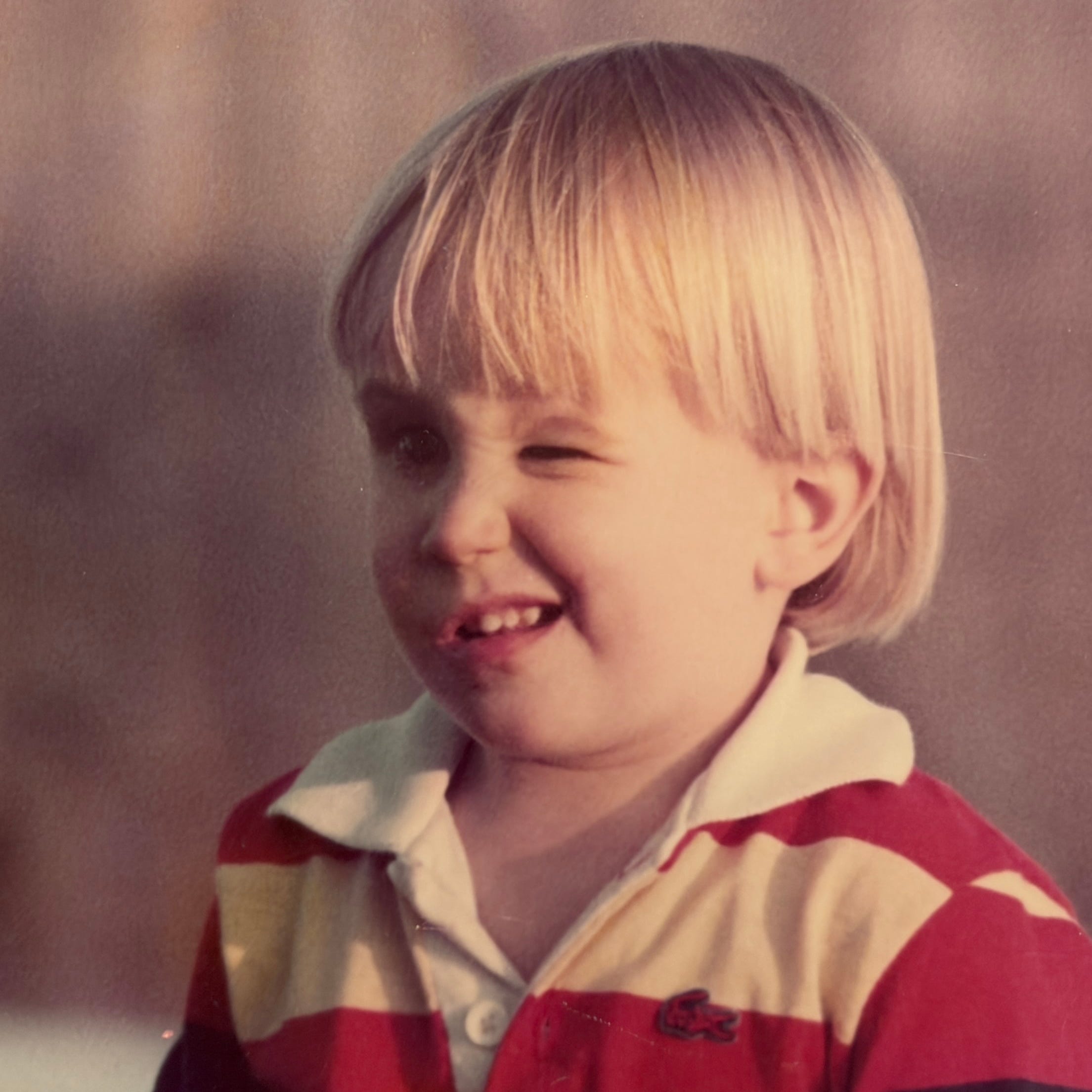
Kids don’t soften a thing. Nobody asks about your unique visual journey. They point. They laugh. They ask the question your gut already dreads before your brain can name it. What’s wrong with your eye?
I didn’t have an answer. I had a nervous system running hot and a chest doing something that felt like a bear hug from the inside.
Three days. That’s how long I lasted.
Cold morning, bus stop, breath fogging in the air. Glasses on, patch underneath, a secret I was already sick of carrying at five years old. I took the glasses off. Set them on the bench. Didn’t drop them, didn’t lose them, didn’t make a scene. Just walked off and left them there, a five-year-old’s first attempt at witness protection
Blur was better than being seen.
When my mom found out, she wasn’t upset that I was hurting. She was upset about the cost. Fair, honestly. Money was tight, and life was heavy in that house. But that isn’t what a five-year-old hears. What I heard was: the glasses matter more than whatever is happening in you.
That morning, at the bus stop, I wrote the first line of code into my operating system. Hide what hurts. Downplay what’s real. Don’t take up space. I didn’t understand any of that yet. I just knew, somewhere in my body, how to disappear.
The Pattern Underneath the Pattern
Every man I’ve coached, trained with, or sat across from in a session has a version of that bus stop. Some patch, some diagnosis, some difference that got noticed before it got understood. And almost every one of them built the same code around it. Go quiet. Go small. Manage the room before the room can manage you.
I want to be precise about something, because most men mistake this for weakness their whole lives, and it costs them. This is not a weakness. It’s intelligence. A five-year-old nervous system running threat assessment faster than any adult could, and getting it right for the moment it was built in.
The problem is that the code doesn’t come with an expiration date. You keep running Bus Stop Protocol at thirty-five, at forty-five, at sixty, long after the bus, the patch, and the kids who laughed are gone. You shrink in meetings that have nothing to do with your eye. You go quiet with people who would actually listen if you let them. The danger is gone. The reflex isn’t.
The Story Under the Story
Here’s the part I didn’t understand until I sat on both sides of the room, once as the kid in the chair, now training to be the one across from him.
The bus stop wasn’t wrong. The story I built about the bus stop was the wound.
A five-year-old doesn’t get nuance. He doesn’t think my eye needs strengthening, and some kids were unkind at recess. He collapses the whole morning into one sentence and moves into it like a house. I am the kid something is wrong with.
That’s not a fact. That’s a plot. And a plot can be rewritten, not by pretending the bus stop didn’t happen, but by changing the sentence that came after it.
Same five-year-old. Same bench. Same glasses left behind. But instead of something is wrong with me, try something happened to me, and I found a way to survive it. One version keeps you standing at that bus stop for the rest of your life. The other lets you catch the bus.
I’m not asking you to turn your childhood into a TED talk. I’m asking you to consider that the story you’ve been telling about yourself since you were five might not be true. It might just be old.
What This Isn’t
Here’s where I’d normally hand you a five-step framework, because that’s what the internet wants. Five steps, a checklist, a clean bow on top. I’m not going to do that here. This isn’t a system to install. It’s a memory to excavate.
Somewhere in your history is a version of that bus stop. Maybe it’s loud and obvious. Maybe it’s small enough that you’ve never once connected it to the way you operate now. It doesn’t matter. It’s there. And it made a rule for you long before you had any say in the matter.
So this week, don’t try to fix anything. Just catch yourself in the act. The moment you feel yourself going quiet, going small, blending into the wall so nobody looks too long, stop for half a second. Ask one question. Who taught me this was necessary?
You don’t need the answer right away. The noticing is the whole exercise.
If you want to go further, sit with a pen, not a phone, and write one unedited sentence about the first time you were told, directly or indirectly, that some part of you was too much, too broken, or not worth the trouble. Don’t clean it up. Nobody’s grading this.
You didn’t choose the code. But you get to choose whether you keep running it.
No quarter given.
Tyler this is so powerful. Thank you for reminding me that I can rewrite the stories that have burdened me. We call can.